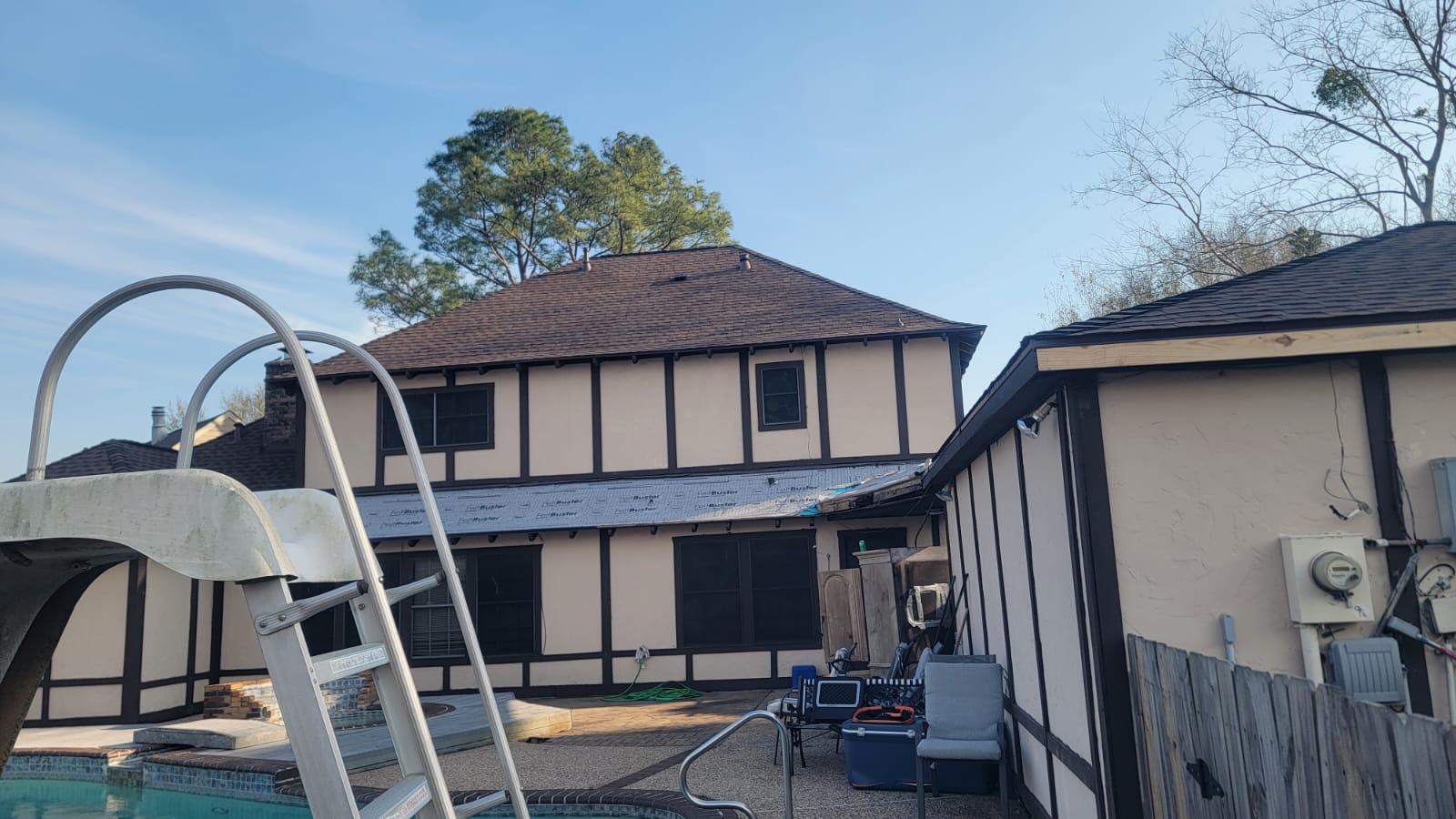
Understanding Your Roofing Warranty
When investing in a new roof, one of the most critical aspects for homeowners to understand is the roofing warranty. This document not only protects your investment but also provides peace of mind. In this guide, we’ll break down the different types of roofing warranties, what they cover, and how to make the most of your warranty as a homeowner.
What is a Roofing Warranty?
A roofing warranty is a written agreement provided by the roofing manufacturer and/or contractor that outlines the coverage for defects in materials and workmanship. Understanding the specifics of your warranty can save you time, money, and stress should issues arise in the future.
Types of Roofing Warranties
- Manufacturer's Warranty: Covers defects in materials and sometimes includes labor costs.
- Workmanship Warranty: Offered by the roofing contractor, covering the installation quality.
- Limited Lifetime Warranty: Often used for asphalt shingles, it may last as long as you own the home, but may have specific conditions.
- Transferable Warranty: Can be transferred to a new homeowner, which can increase the value of your home.
Manufacturer's Warranty
Manufacturer's warranties typically cover defects in materials. These warranties can vary in length and coverage, so it’s essential to read the fine print. Some may cover only the cost of materials, while others may include labor costs for repairs.
Workmanship Warranty
This warranty is provided by your roofing contractor and protects you against installation errors. Ensure that your contractor is reputable and offers a solid workmanship warranty, which can range from a few years to a lifetime.
Key Elements of a Roofing Warranty
- Duration of Coverage: Understand how long your warranty lasts.
- Coverage Limits: Know what is and isn’t covered under your warranty.
- Claim Process: Familiarize yourself with how to file a claim if needed.
- Exclusions: Be aware of any conditions that may void your warranty.
How to File a Warranty Claim
When you need to file a warranty claim, follow these steps:
- Review your warranty documentation to ensure your issue is covered.
- Document the problem with photos and notes.
- Contact the manufacturer or contractor promptly.
- Submit a claim with all required information, including proof of purchase and warranty.
Common Reasons for Warranty Claims
- Leaks due to material defects.
- Improper installation leading to premature wear.
- Storm damage not covered by insurance.
Maintaining Your Roof to Protect Your Warranty
To ensure your roofing warranty remains valid, regular maintenance is crucial. Here are some maintenance tips:
- Conduct regular inspections for wear and tear.
- Clean gutters and downspouts to prevent water damage.
- Address minor repairs before they become major issues.
- Keep the roof clear of debris, such as leaves and branches.
Conclusion
Understanding your roofing warranty is essential for protecting your investment. By knowing the types of warranties available, their key elements, and how to maintain your roof, you can ensure that you are well-prepared for any issues that may arise. For any roofing needs, including installation and maintenance, consider reaching out to a trusted provider like OCD Cardenas Roofing for expert guidance and service.